
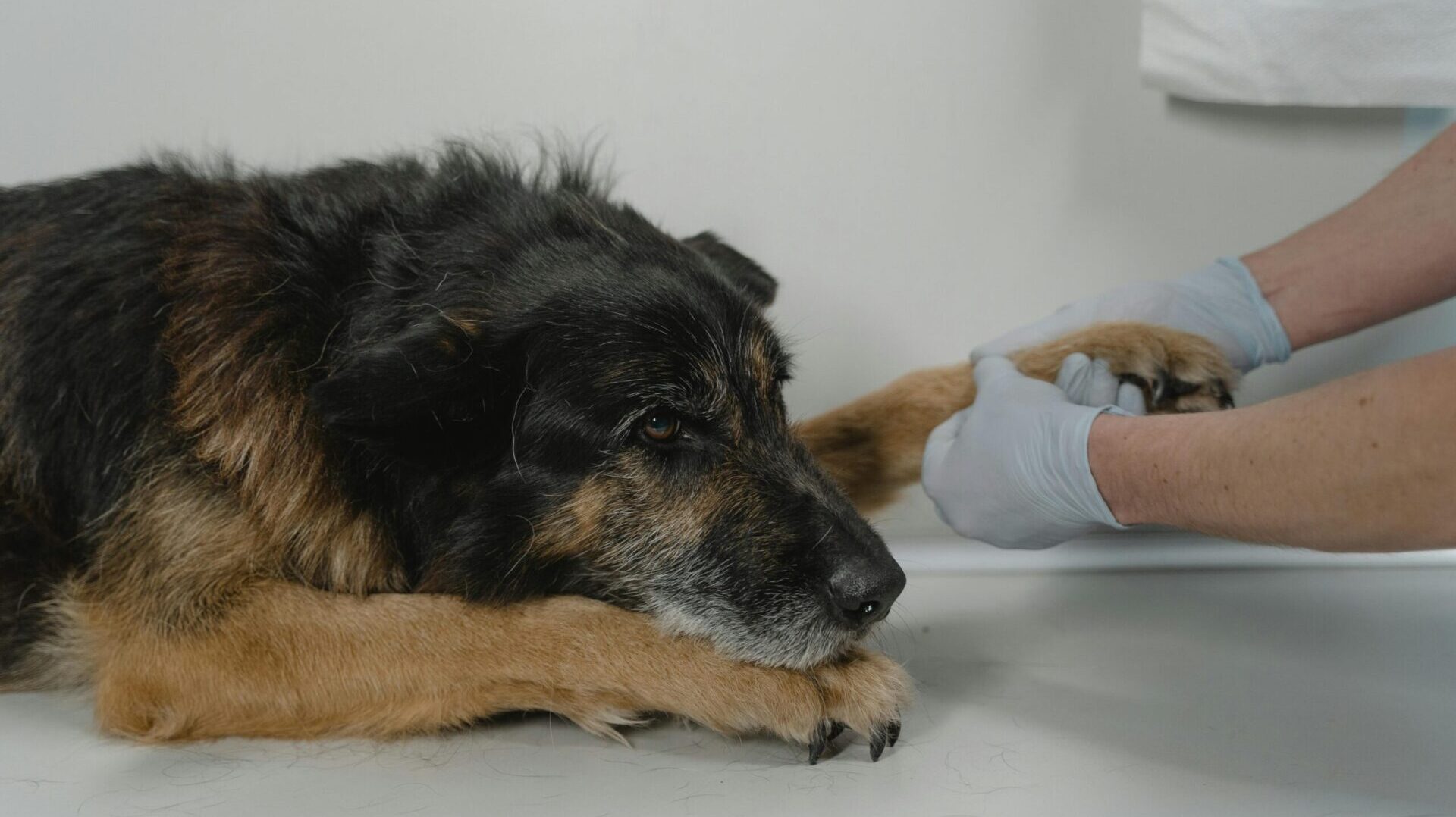
As veterinary professionals in Ontario increasingly recommend advanced treatments for conditions like injuries, arthritis, and post-surgical pain, laser therapy for pets is gaining recognition. This non-invasive, gentle, and safe option in veterinary medicine promotes faster healing and enhances overall well-being, helping pets recover more comfortably and live healthier lives.
What are 5 major benefits of laser therapy for pets?
Here are 5 benefits of this therapy helping dogs in the best way:
1. Rapid Pain Relief & Inflammation Reduction
Treatment of pain as well as swelling gets their fast early relief. The way laser therapy thinks is through photobiomodulation. Light directed on the target cells is acted on in causing them to reduce inflammation and cellular pain receptors. Indeed, dogs treated with weekly for osteoarthritis showed a statistically significant increase in activity levels within four weeks of treatment in one clinical trial.
2. Speeds Up Healing & Tissue Regeneration
Apart from relieving pain, veterinary laser therapy promotes healing. Research by the Frontiers in Veterinary Science noted that dogs receiving daily laser therapy (8 J/cm²) on post-surgical incisions seemed to heal faster than those without the treatment. The systematic review further emphasized improved cellular migration and wound healing in canine skin models.
3. Supports Mobility, Joint Function & Quality of Life
Movement problems are common in older pets and larger breeds. Laser therapy for pets is an effective method that enhances circulation and helps ease joint stiffness. Studies have noted that dogs with osteoarthritis showed better mobility after just two sessions per week. In another case, dogs who had orthopedic surgery were able to use their limbs about 25% faster when laser therapy was added to their recovery plan. Data shows that nearly 60% of dogs aged over eight suffer from arthritis pain, yet with veterinary laser therapy, around 70% of them experience noticeable improvement in mobility within 4 to 6 weeks.
4. Totally Drug-Free and Non-Invasive
Holistic care is gaining popularity among many pet owners in Ontario. Luckily, this therapy accomplishes pain relief and healing without the use of drugs, incisions, or general anesthesia. The average session lasts under 10 minutes:
- There is no shaving
- Protective goggles are worn by pets
- Feels like a warm “massage”
Without stress and safe for all pets, laser therapy provides a safe alternative to surgical or pharmaceutical interventions for pets of all ages, including seniors and those with systemic illness.
5. Complements Other Veterinary Treatments
The veterinary clinician utilizes multimodal treatment. Laser therapy is synergistic with
- Physical rehabilitation
- Acupuncture or chiropractic therapy
- Orthopedic and dental surgical treatment
- Drugs or supplements
Science and Safety of Laser Therapy
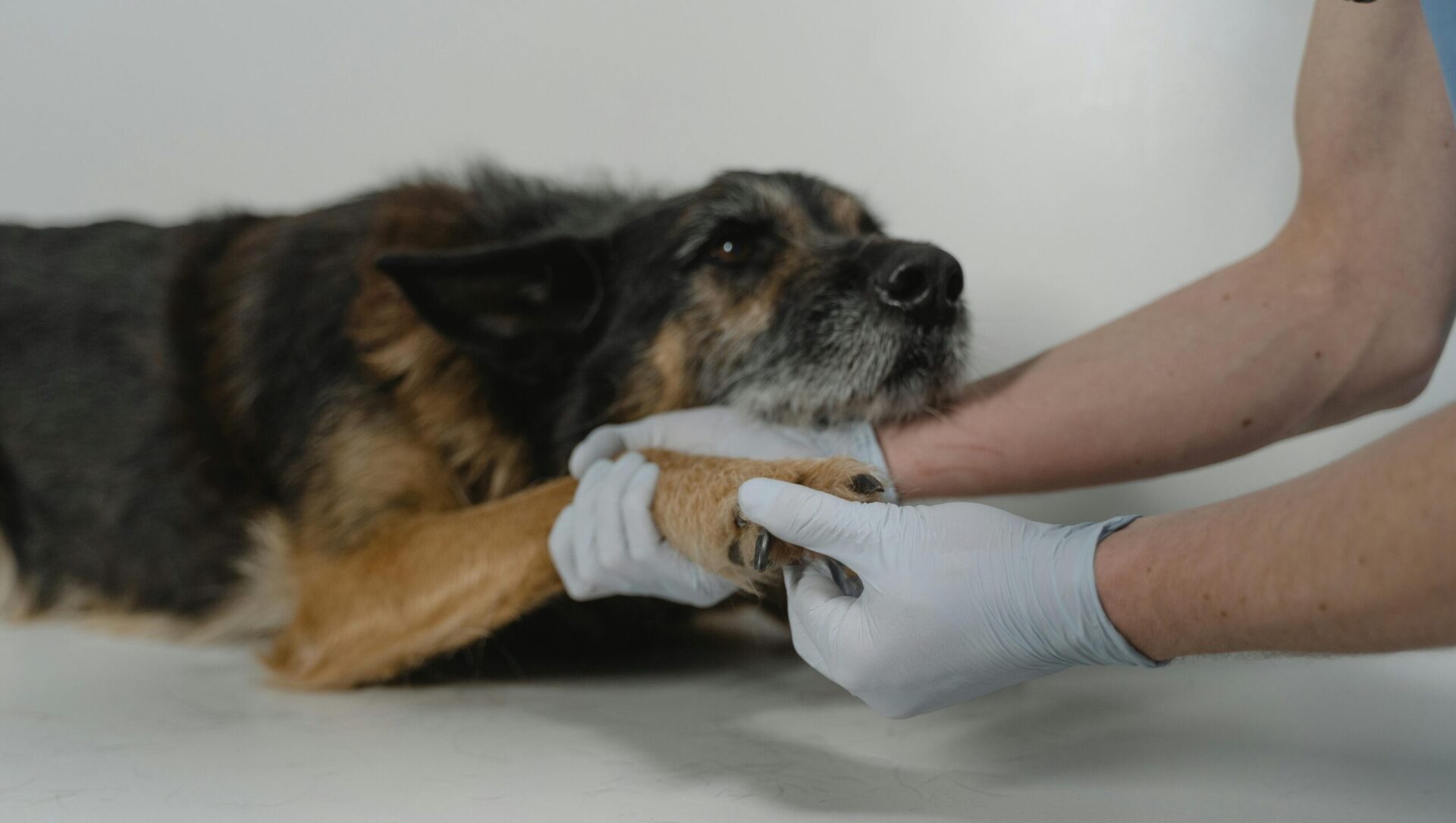
Low-energy laser (cold laser) devices operate within the range of 635-900 nm and emit energies of 1-10 J/cm² depending on the application. Most studies conducted for the purposes of pain relief or wound healing have established 8 J/cm² as the standard dose. Studies confirm that appropriate doses facilitate collagen production, mitochondrial functioning, and tissue repair; higher doses inhibit healing – also making it very important for vets to abide by guidelines. This major literature review also shows as being effective for skin diseases, such as interdigital pyoderma, when lectured with antibiotic therapy. Quite implying versatility of the therapy beyond musculoskeletal indications.
Statistics Overview
- September 27, 2019 – Physical modalities are an effective means for treating a variety of joint afflictions in canine and feline companions.
- As of April 2, 2025, laser therapy is being embraced by pet dogs as an alternative treatment for chronic pain management, inflammation, and wound healing.
- The 26th of February,
2025: Laser therapy for dogs with low powers improves blood circulation and alleviates swelling, thereby facilitating healing from injuries.
Laser therapy for pets has a significantly positive impact on the postoperative care of pets. For example, when included in a laser protocol, dogs recovering from cruciate ligament surgery ambulated, on the average, 3.5 days faster.This shows that when needed, it could truly be the ultimate “magic wand” in veterinary laser therapy with real-world, measurable benefits attached to it in terms of pet wellness.
Conclusion
On the whole, laser therapy for pets in Ontario is a strong tap for evidence-based treatment options for pain relief, accelerating healing, supporting mobility, and providing Stress-Free Care. Being non-invasive within veterinary medicine, it is a kind of treatment guaranteed safe for pets and one that encourages their natural recovery. If your dog or cat is recovering from an injury, surgery, or age-related issues, discuss integrating this therapy into their treatment with your Ontario veterinarian.