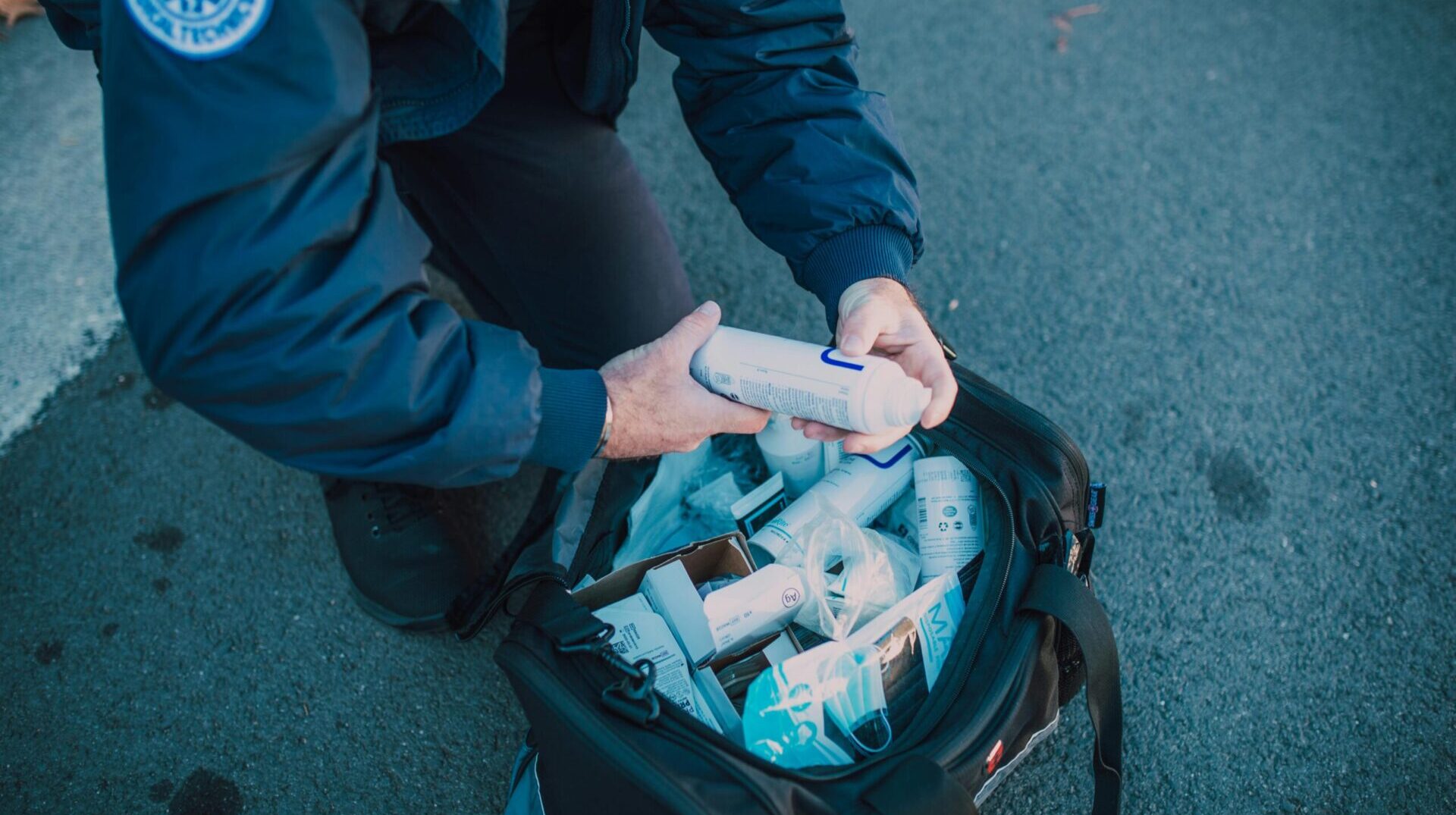

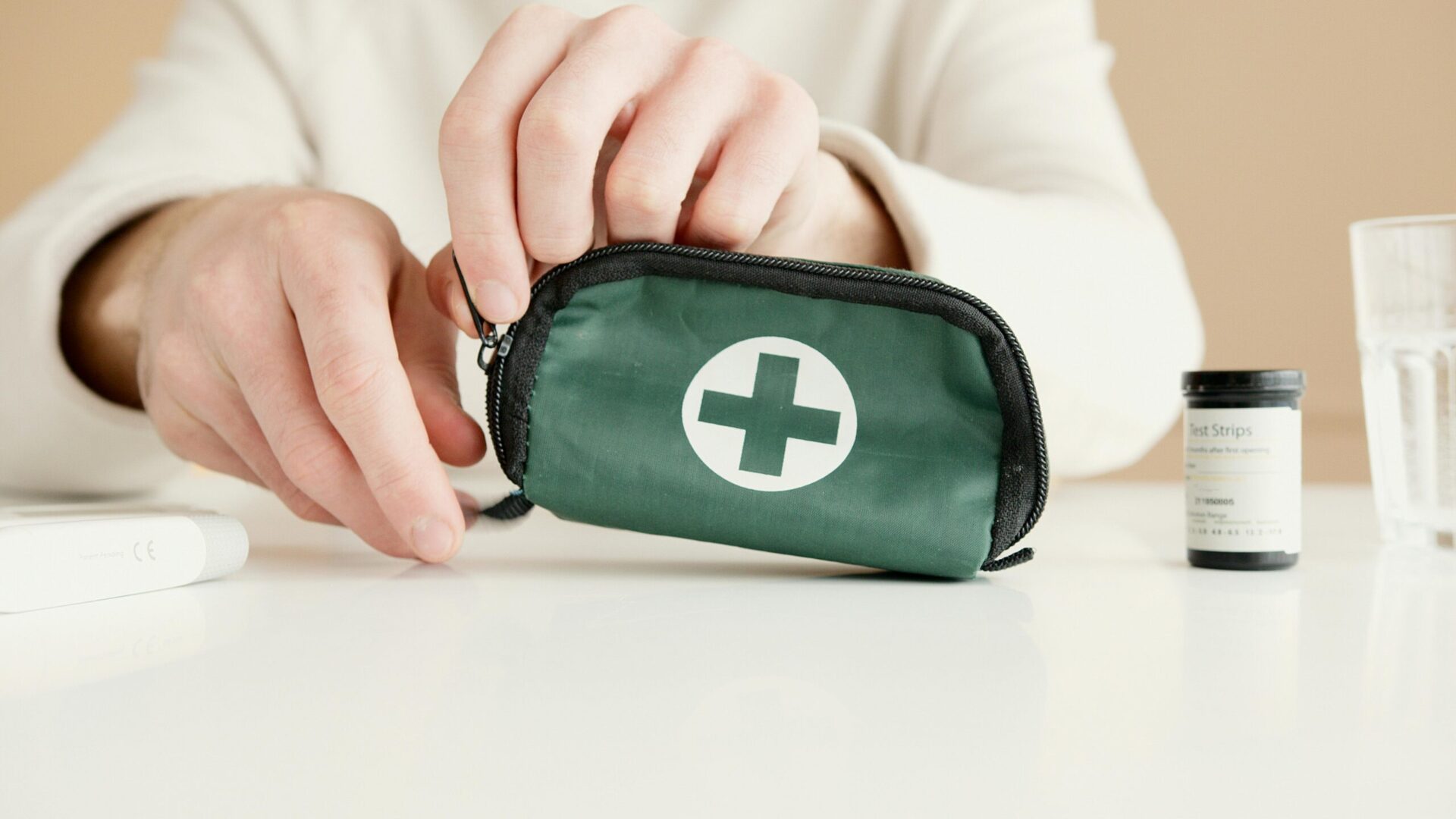
Have you heard the saying “Expect the best, prepare for the worst”? It matters in pet parenting more than you think. Just imagine your pet gets a cut, scrape, wound, or burn. Panic won’t save them. Quick action will.
That’s why a pet first aid kit is non-negotiable. It’s your lifeline in emergencies when every second counts. So, what should this kit should include?
We’ll cover all twelve items so you’re ready when your pet needs you.
What are the key items to include in your pet’s first aid kit?
Here are the important items that every pet owner should add to the pet safety kit:
1. Emergency Contacts & Records
You never know when your pet might face a sudden emergency, and in that moment, the right contacts can save their life. Having emergency numbers at your fingertips is just as important as having bandages or medicine in the kit.
You should keep a card with your veterinarian’s number, nearby emergency hospitals, and the Pet Poison Helpline. With that, you’ll be able to approach the right option promptly, especially if the situation is out of control.
Also, you need copies of your pet’s medical records ready to go. It’s just because the current medications on hand help vets make the right decisions fast.
2. Wound Care & Bandage Supplies
These essentials are must-haves in your DIY Pet First Aid Kit. So, include:
- Pet-safe antimicrobial sprays, wipes, or ointments to clean cuts and scrapes fast.
- Gauze pads, cotton balls, and Q-tips, to keep wounds protected and make cleaning easier.
- Flexible bandages, medical tape, and blunt scissors to let you wrap injuries without causing harm.
- Tweezers to help you remove small debris, while gloves keep everything cleaner and safer for you.
- A needleless syringe, useful for flushing wounds, oral fluids, or liquid medications.
Remember, bandages should be snug enough to protect but never so tight that they block circulation.
3. Medications
Oral syringes are essential for giving liquid medications, especially for small dogs that can’t swallow pills easily. Using a small syringe ensures the correct dose and reduces stress for both you and your pet.
Similarly, Benadryl is a common antihistamine that can help with allergic reactions. But before you use it, consulting your veterinarian is a must. If your pet requires a partial dose, a pill cutter helps split tablets safely without guessing.
Probiotics can support your pet’s digestive system during mild upset, like vomiting or diarrhea. Again, you should see your vet first to choose the right dose and type.
In short, when it comes to keeping the medicines, guidance is crucial as misuse can be dangerous.
4. Pet thermometer
A pet thermometer is one of the most important tools in a Cat and Dog First Aid Kit. Yes, just like humans, monitoring your pet’s temperature helps detect fevers, infections, or other health issues early. You can use two types of thermometers:
The digital rectal thermometer is the most accurate option. It gives reliable readings within seconds. It may feel uncomfortable for your pet, but accuracy is critical during emergencies. For a less invasive method, an underarm thermometer can be the best go-to, though it tends to be more expensive and slightly less precise.
Whatever you’re using, always clean and disinfect them ‘before and after’ use to prevent infections.
5. Eye & Ear Care
Your fur baby can easily get dust, dirt, or small debris in their eyes, right? You’ll be shocked to know that this may cause irritation or infection.
Thus, a pet-safe eye wash is essential to flush out these irritants quickly and safely. Lubricating gels are no exception. They can help soothe dry or irritated eyes. Never pick the random one; vet consultancy comes first.
Ear problems are equally important, especially during infections or after surgery. An Elizabethan collar, commonly called the “cone of shame,” is the wise choice for that. These collars prevent your pups from scratching or rubbing the affected ear.
6. Grooming & Nail Care
Have you ever felt the sharp pain of a broken or damaged nail? Pets feel the same, and it can be surprisingly painful for them. As a responsible pet parent, you should add grooming and nail care essentials, too, in the kit.
Here, nail trimmers are crucial. They keep nails at a safe length and prevent accidental injuries. While trimming, cutting too close to the quick can happen easily, which may lead to bleeding.
So, styptic powder is a must-have in these moments. They quickly stop bleeding and reduce infection risk.
Regular grooming keeps your pet healthy and comfortable at all times. Learn the tips for smooth dog grooming at home.
7. Tick Twister tool
Ticks and other parasites can attach quickly anywhere on your pet’s body, like around the ears, under the collar or neck area, or even between toes and paw pads.
And if you remove them the wrong way, that can hurt your pet. That’s why a Tick Twister tool can really be helpful here. It comes in both small and large sizes to suit different pets.
The tool works in a simple way: hook the tick, twist gently, and pull it out steadily, including the mouthparts, which prevents infections.
However, using fingers or regular tweezers can leave parts behind and increase health risks.
8. Towels and quick slips
These essentials come as pet towels and quick slip leads.
Towels serve multiple purposes. For example, you can wrap a frightened or injured pet to calm them quickly. They are also useful for cleaning up messes, like blood, urine, or dirt. So, having extra towels and wipes ensures hygiene.
Quick slip leads are important for controlling pets that might try to escape in panic. Unlike regular collars, slip leads are quick to put on and remove. This ultimately allows you to move your pet safely without any chaos.
So, wherever you’re going with your canine, take a box and add all of these items to create the best portable pet first aid kit. It’s all about a stress-free journey with your fur buddy.
Why does every pet need a first aid kit?
Here are the major reasons for having a pet safety kit.
- Handles emergencies like cuts, burns, or choking instantly.
- Saves lives by enabling quick response before reaching a vet.
- Reduces stress for both pet and owner during crises.
- Prevents minor injuries from worsening over time.
- Provides convenience at home, in the car, or during travel.
- Gives peace of mind knowing you are prepared.
- Supports vets with accurate medical information and stabilization.