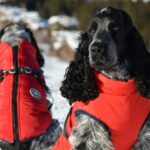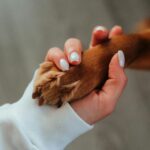

Winter’s blanket may look soft and pure, but it hides a cold that bites every paw that dares to explore. Your pup’s paws are no exception. Yes, that’s true. Cold snow, sharp ice, and road salts can cause dryness, cracks, and even pain.
So, just like we wear shoes to protect our feet, dogs also need care during the chilly months. Salts used to melt ice can burn or irritate their paw pads, while frozen surfaces can lead to injuries.
That’s why dog paw protection in winter in Canada is so important for every pet parent. And that’s exactly what CutePetsTips is here to share with you.
Are You Aware of Hidden Winter Paw Dangers?
No doubt, going outside with your fur baby in winter can brighten your day. But don’t take that joy for granted by overlooking the downsides of the cold. Here’s what your pup can suffer from:
- Salt and chemical ice-melters spread on roads can irritate and even burn your dog’s paws, causing redness or pain.
- Snow and ice might look fun, but they can lead to cracking or frostbite if your dog stays outside too long.
- Cold temperatures also dry out paw pads, making them rough and uncomfortable.
- To make things worse, dogs often lick their paws to ease the irritation, which can cause them to swallow harmful chemicals.
6 Tips for the Best Paw Protection for Dogs in Canadian Winter
Consider the following tips to help your pup stay comfortable while chilling outside in winter:
1. Check the weather before you head out
Before taking your dog outside, always check the weather forecast. If it’s freezing, snowing heavily, or the ground is icy, it’s best to stay indoors or wait until the weather improves.
It’s just because dogs can easily get cold, and their paws are especially sensitive to frost and ice. When they walk in harsh conditions, it can cause cracks, burns, or pain, especially if the roads are salted.
If your dog really needs to go out, keep the walk short and choose safer, cleared areas.
2. Trim hair around the paws
Keeping the hair around your dog’s paws neatly trimmed can make a big difference during winter. Long fur between the toes can trap snow, ice, and salt, which leads to painful matting or irritation.
When that happens, your dog might start licking or biting their paws to find relief, which only makes things worse.
By trimming the hair gently and regularly, you prevent ice balls from forming and keep the paws clean and comfortable. Remember, you don’t need a professional groomer – a simple pair of pet-safe scissors can do the job. Just be careful not to cut too close to the skin.
3. Keep nails short
Regular nail trimming is equally important for dog paw protection in winter in Canada. How? When nails get too long, they can make it harder for your dog to walk safely on icy or slippery surfaces.
Also, long nails may cause the toes to spread, which increases the risk of cracks or cuts in the paw pads. So, when you keep the nails short, you help them maintain a steady grip and balance during walks.
But make sure to use proper nail clippers.
4. Use paw balm for extra protection
Winter air can be harsh on your dog’s paws, making them dry, cracked, or sore. For that, you should use a paw balm or moisturizer. It helps create a protective layer that locks in moisture and shields against cold, salt, and rough surfaces.
Think of paw balm as your dog’s winter lotion, just like you use for yourself. Apply a small amount before and after walks to keep the pads soft and healthy.
If your dog tends to lick their paws, choose a balm that’s safe and natural.
5. Try dog booties for better protection
Dog booties create a physical barrier against cold surfaces, sharp ice, and road salts.
At first, they might walk a little funny, but with patience and short practice sessions indoors, most dogs get used to them quickly. But when you’re buying dog boots for ice and snow in Canada, make sure they fit snugly but not too tightly, so they don’t slip off or cause discomfort.
If your dog refuses to wear them, you can try paw covers or disposable boots as an alternative. Also, to keep your dog warm and safe during Canadian winters, you can read this article.
6. Avoid walking on salted roads
As we mentioned above, salt and chemical de-icers may cause small wounds that become painful over time. So, when your pup is without booties, choose cleaner, snow-covered paths or grassy areas for walks.
If you must walk on salted surfaces, rinse or wipe your dog’s paws as soon as you return home. But use warm water to rinse.
Major Signs of Paw Damage or Discomfort
Even with good care, winter can still take a toll on your dog’s paws. It’s important to know the warning signs early so you can act before things get worse.
- Redness, swelling, or cracking of paw pads
- Limping or reluctance to walk
- Excessive licking or biting of paws
- Visible ice buildup or stuck debris between toes
Can your dog get salt poisoning?
Even if you’ve done your best to protect your dog’s paws from salt in Canada, they might still lick some when your attention slips for a moment. That can cause salt poisoning, and you’ll notice it when they:
- Seem dehydrated and unusually tired.
- Drink water excessively or urinate often.
- Lose interest in food or treats.
- Develop sores or irritation in the mouth.
- Experience body tremors or sudden seizures.
- Start vomiting or have diarrhea.
- Appear weak, stumble, or even collapse.