

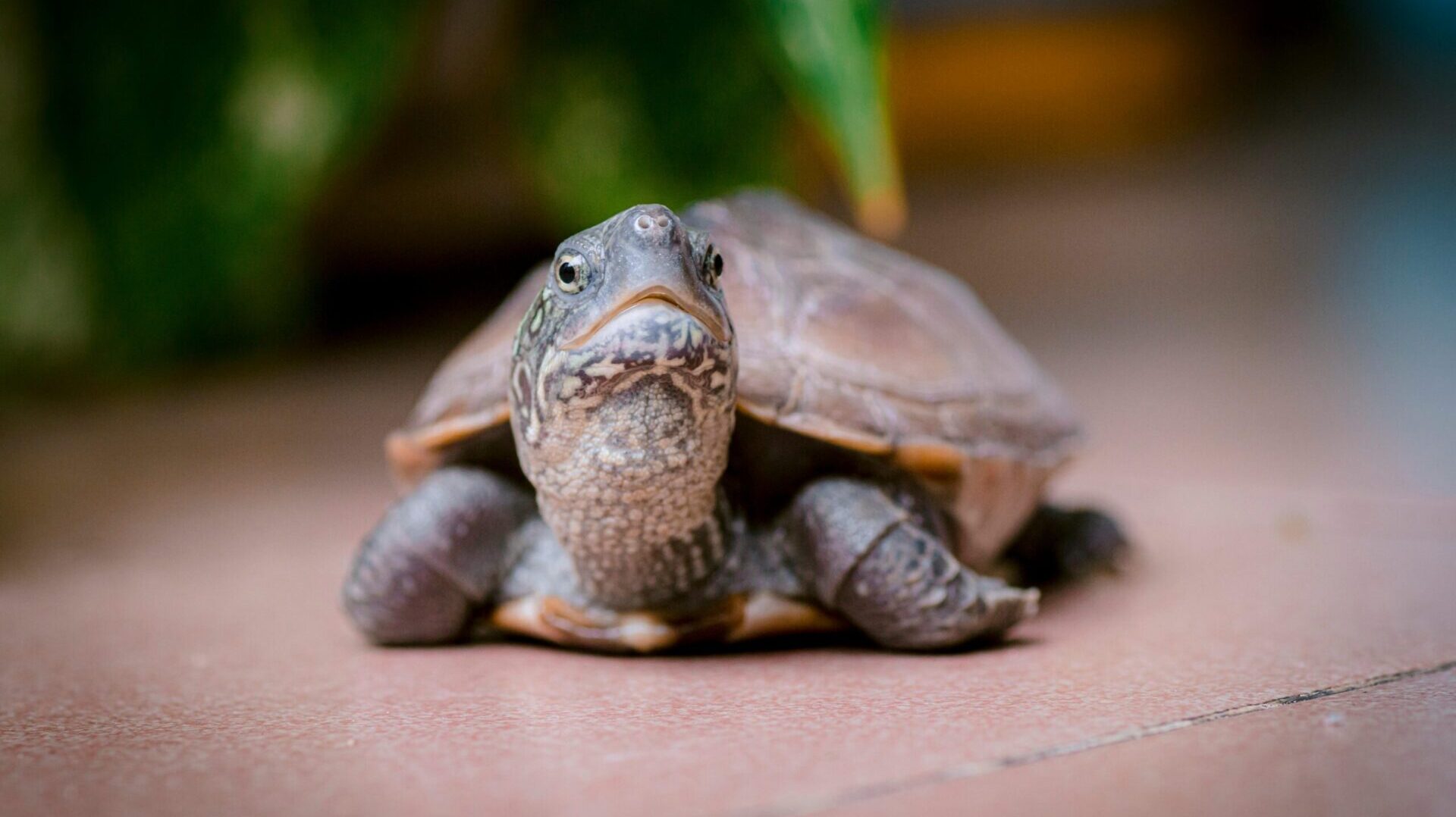
Just like humans, pets need the right home to live in. A proper habitat keeps your pet safe, healthy, and happy every day. Also, when pets feel comfortable in their space, they tend to eat better, play more, and live longer.
According to research, around 70% of pet owners report improved pet behavior after enriching their pet’s habitat. That’s why choosing the best pet habitat setup is so important.
And this article will guide you through simple steps to create the ideal living space for your pets.
What are the benefits of a proper pet habitat?
Before we get into the setup guide, let’s quickly go over the benefits of this habitat.
It leads to better health
A proper habitat for your pet means more happy moments and extra years to enjoy together. Remember, a proper habitat is a home that’s clean, safe, and full of things to explore.
The cleaner their home is, the stronger their immune system becomes and the less often they get sick. So, taking care of their habitat is a simple yet powerful way to show your love.
It encourages natural behavior
A pet-friendly home allows your pet to behave the way it’s naturally meant to. Whether it’s running, climbing, flying, or digging, having enough space and engaging activities keeps pets happy.
The best part? It lets them follow their natural instincts. As a result, they feel more relaxed and behave better. This means fewer issues like biting, scratching, or boredom.
It deepens the human-animal bond
Did you know your pets become more loving and friendly only when they feel safe and happy? For that, a cozy, fun habitat can be their daily dose of joy. It also helps reduce signs of stress, like hiding or nervous behavior.
By giving your pet the right space, you’re not just caring for them – you’re building a deeper, more loving bond every day.
It reduces vet bills over time
A proper shelter can actually save you money in the long run. How? Imagine your pets living in a clean, well-ventilated space with room to move and play. This kind of environment helps them stay healthier, right?
With a healthy lifestyle, you won’t need frequent trips to the vet for issues like obesity or breathing problems. That’s why, with proper pet habitat setup, you’re also protecting your wallet from costly medical bills down the road.
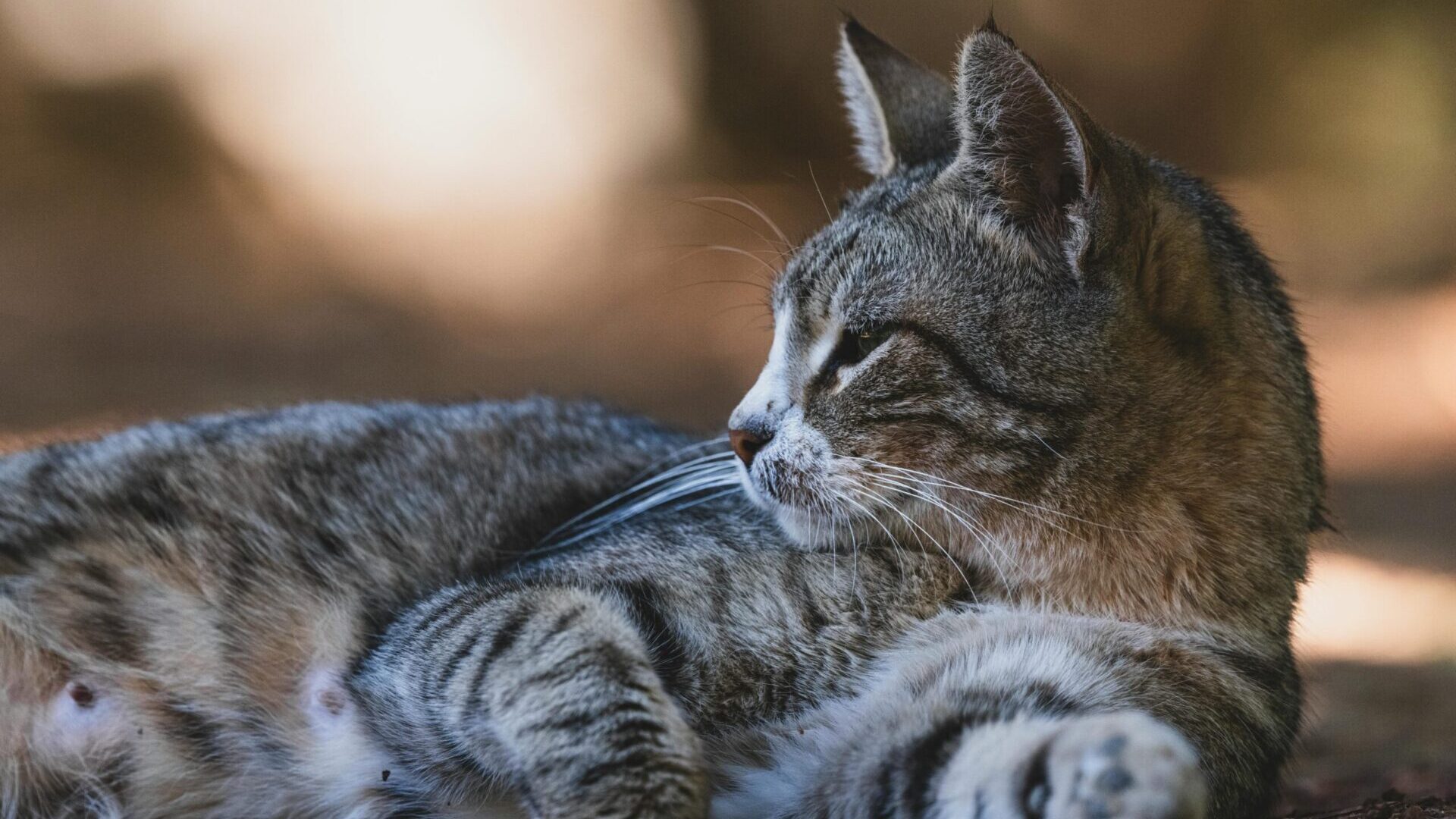
Essential Steps to Set Up a Pet Habitat
Here’s a step-by-step roadmap to help you with DIY pet habitat ideas:
1. Choose the right habitat type
Setting up the home for your pet starts with choosing the right type of habitat. Each animal comes with its own set of needs.
For example, small mammals like hamsters need cozy cages with tunnels, while reptiles need warm tanks with proper lighting. Similarly, birds love roomy cages with space to fly and toys to stay active. Even dogs need a comfy bed and a safe space to rest.
When you understand what your pet needs, you create a happy and healthy place they’ll love.
2. Proper cage or enclosure assembly
Following the manufacturer’s instructions is of great importance here. This ensures the cage or enclosure is safe and secure.
Always check for any sharp edges, loose parts, or wide gaps where your pet could get hurt or escape. Make sure the bars are tightly secured and there’s no room for accidents.
Taking a few extra minutes now to follow the pet cage setup guide can save you a lot of trouble later.
3. Select appropriate bedding and substrate
Your little friend’s health and happiness depend on the right bedding and substrate. That’s why you should choose a soft, dust-free option that suits your pet’s species – like hay for rabbits, paper-based bedding for hamsters, or aspen shavings for reptiles.
The right bedding keeps your pet clean, cozy, and comfortable. It also helps reduce odors and keeps their home fresh.
4. Set up food and water stations
A comfy spot for food and water in the habitat is a Must. In a small pet’s habitat, make sure the bowls are easy to reach for your fur babies.
One key thing is to use strong, easy-to-clean bowls that won’t tip over easily. This helps prevent messy spills and keeps your pet’s space clean. It’s a simple action with lasting impact.
5. Create hiding spots and enrichment areas
You may have heard that a playful and cozy space keeps your pet entertained. So, when setting up your pet habitat, you need to create hiding spots and fun areas there. Add tunnels, small shelters, and toys to let them explore, play, and act naturally.
These little extras help keep your pet’s mind active and reduce boredom. It’s a good idea to change or rotate the toys often so things stay fresh and exciting.
6. Control temperature, humidity, and lighting
The right temperature, humidity, and lighting in the habitat matter a lot. These conditions vary since every pet has different needs. You can use tools like thermometers, hygrometers, heat lamps, or even cooling fans to create the right environment.
It might sound tricky, but once you set it up, your pet will thrive and your efforts will make a big difference in their life.
7. Ensure proper ventilation and location
What if you’re sleeping and a loud noise suddenly comes out of nowhere? You’d be disturbed, right? The same can happen to your pets. To make them feel their best, their habitat should be in a quiet place, away from loud noises, direct sunlight, and cold drafts.
On top of that, good airflow is important to keep the air fresh and clean. Avoid sealing the habitat too tightly, as pets need to breathe easily.
What are the keys considerations for a habitat?
According to a study, proper habitat setup reduces stress-related illnesses in small animals by up to 50%. So, if you want to ensure a comfortable and safe habitat, take the following major factors into account:
- Provide enough room for movement, playing, eating, and resting.
- Inspect for hazards regularly (sharp edges, toxic materials).
- Clean the habitat once a week to prevent disease.
- Use non-toxic, easy-to-clean materials for bedding, toys, and accessories.
- Provide companionship if suitable to prevent loneliness.