

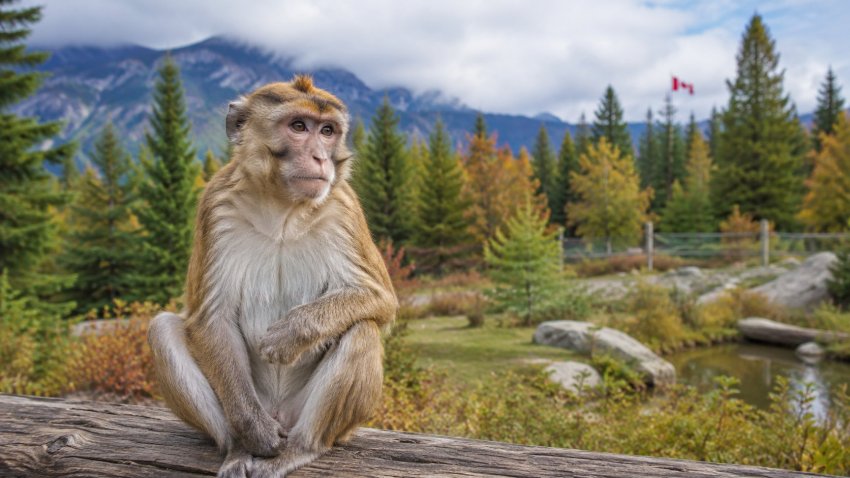
Many people search “can you own a monkey in Canada?” because monkeys look smart, playful, and almost human-like. But a monkey is not like a dog, cat, rabbit, or other common household pet. In Canada, monkey ownership depends on federal import rules, provincial laws, municipal bylaws, animal welfare rules, and sometimes special permits.
Quick answer: in many parts of Canada, keeping a monkey as a private household pet is banned, heavily restricted, or practically impossible. Even when a province does not have one simple blanket ban, your city or municipality may still prohibit primates. Before considering any exotic animal, always check your local municipality, provincial authority, animal control office, and current federal import rules.
This article is for general information only. It is not legal advice. Rules can change, and local bylaws may be stricter than provincial rules.
Can you own a monkey in Canada?
In most cases, you should assume that owning a monkey as a normal household pet is not allowed or will be extremely restricted. Canada does not have one simple national “yes or no” rule for every private exotic pet situation. Instead, rules can come from several levels of government.
For example, federal rules may apply if a non-human primate is imported into Canada. Provincial laws may restrict certain animals, and city bylaws may ban primates even if the province does not list every species in the same way.
Because of this, the better question is not only “Can I own a monkey in Canada?” It is also “Does my province allow it, does my city allow it, and would I legally qualify for any required permits?”
Monkey ownership rules in Canada: what to check first
Before anyone considers a monkey, they should check these four things:
- Federal import rules: importing non-human primates into Canada may require a CFIA import permit and CITES documentation for protected species.
- Provincial laws: some provinces restrict wildlife or controlled animals.
- Municipal bylaws: many cities ban primates or exotic animals even when provincial rules are less obvious.
- Animal welfare rules: even if possession is possible in a limited case, the animal’s care, housing, safety, and welfare still matter.
Can you own a monkey in Ontario?
Ontario does not work like a simple province-wide pet list where every possible animal is clearly approved for private ownership. Instead, Ontario has wildlife and animal welfare rules, and municipalities can create their own animal bylaws.
That means a person in Ontario must check their local city or town rules before assuming anything. In Toronto, for example, non-human primates are listed as prohibited animals under the city’s animal bylaw. Other Ontario municipalities may also have their own restrictions.
If you live in Ontario, start with your city’s animal services department or municipal bylaw office. Do not rely on old forum posts, social media, or a breeder’s claim.
Province and city rules can be different
One reason this topic is confusing is that people often compare provinces without checking the city where they live. A province may have one set of rules, while your municipality may have another.
| Level | What it may control | What to check |
|---|---|---|
| Federal | Import permits, animal health requirements, CITES documentation | CFIA and federal import rules |
| Provincial | Wildlife, controlled animals, animal welfare | Your provincial wildlife or animal welfare authority |
| Municipal | Local pet bans, prohibited animals, fines, bylaw enforcement | Your city or town animal bylaw |
Why monkeys are usually not good household pets
Even if someone could legally keep a monkey in a limited situation, that does not mean it is a good idea. Monkeys have complex social, emotional, dietary, medical, and environmental needs. They can be loud, destructive, aggressive, and difficult to safely house in a normal home.
Monkeys may also live for many years, depending on the species. That creates a long-term responsibility that is far more complicated than caring for most domestic pets.
Health and safety concerns
Primates can create health and safety concerns for both people and animals. They may bite, scratch, escape, or become difficult to manage as they mature. There may also be disease risks and strict requirements around handling, transport, and veterinary care.
If you are interested in exotic animals because you want a unique companion, it may be safer to research legal domestic pets, small-space pets, or rescue animals instead.
What should you do instead of buying a monkey?
If you love monkeys, there are better ways to support them than trying to keep one as a pet. You can support accredited sanctuaries, learn about primate conservation, donate to rescue organizations, or visit reputable educational facilities that follow animal welfare standards.
If your goal is to find an unusual but legal companion animal, research carefully and choose an animal whose care needs match your home, budget, time, and local laws.
Checklist before considering any exotic pet in Canada
- Check your city or town’s prohibited animal bylaw.
- Check your provincial wildlife and animal welfare rules.
- Check federal import rules if the animal is coming from outside Canada.
- Ask whether permits are available for private pet ownership or only for zoos, research, or education.
- Confirm whether a local exotic animal veterinarian can treat the species.
- Understand housing, food, enrichment, and long-term costs.
- Consider adoption or legal domestic pet options instead.
Final answer: can you own a monkey in Canada?
In many places in Canada, a monkey cannot legally be kept as a normal household pet. In other places, the rules may depend on the province, city, species, permits, and purpose of ownership. Because local bylaws can be stricter than provincial rules, you should never assume a monkey is legal just because you saw one online.
The safest answer is this: check your municipality, province, and federal import rules before taking any step. For most pet owners, a monkey is not a realistic or responsible household pet.