
Cold weather can be harder on senior pets. Older dogs and cats may feel the cold more, move more slowly, or struggle with slippery surfaces. Some senior pets also have arthritis, reduced muscle strength, or health conditions that make winter less comfortable.
The goal is simple: keep your senior pet warm, safe, and supported without forcing too much activity.
This guide shares practical ways to help older dogs and cats during cold weather.
This article is for general information only. If your senior pet has pain, stiffness, weakness, appetite changes, breathing issues, or sudden behavior changes, contact your veterinarian.
Senior pets often need extra routine checks, so our pet care checklist can help you review bedding, grooming, safety, vet care, and seasonal comfort needs.
Why Senior Pets Need Extra Winter Care
Senior pets may have a harder time adjusting to cold weather. They may not move as easily, warm up as quickly, or recover from slips as well as younger pets.
Cold weather can also make everyday routines harder, such as:
- Getting up from bed
- Walking on slippery floors
- Going outside for bathroom breaks
- Climbing stairs
- Jumping onto furniture
- Using the litter box
- Staying active
Small changes at home can make winter much easier for them.
Provide a Warm, Comfortable Bed
Senior pets should have a warm sleeping area away from drafts, cold floors, and doors.
Choose a bed that is:
- Soft but supportive
- Easy to step into
- Away from cold windows
- Not placed directly on tile or concrete
- Big enough for your pet to stretch comfortably
For pets with joint stiffness, an orthopedic-style bed may be helpful. Add washable blankets for extra warmth.
Avoid placing beds too close to space heaters, fireplaces, or heat vents. Senior pets may not move away quickly if they get too hot.
If your pet also needs winter clothing, read our guide on Canadian winter fashion for pets.
Keep Walks Short and Gentle
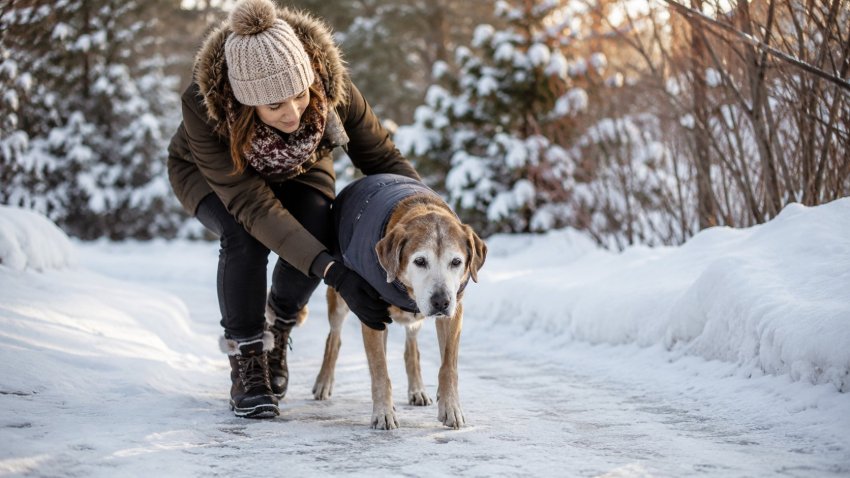
Senior dogs still need bathroom breaks and light movement, but winter walks should be adjusted.
Try:
- Shorter walks
- Slower pace
- More frequent bathroom breaks
- Walking during warmer parts of the day
- Avoiding icy sidewalks
- Choosing cleared paths
- Using a coat if your dog needs one
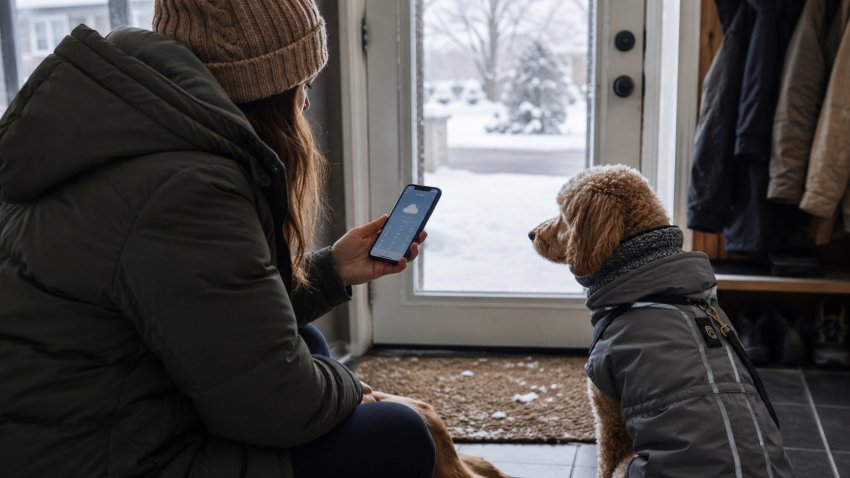
Do not push a senior dog to continue walking if they slow down, lift paws, shiver, or try to turn back.
Before heading outside, you can also check our guide on how cold is too cold for dogs in Canada.
Help With Slippery Floors
Winter often means wet paws, snow boots, and slippery entryways. Senior pets may struggle on hardwood, tile, or icy outdoor surfaces.
At home, add:
- Non-slip rugs
- Yoga mats in walking paths
- A mat near the door
- Carpet runners
- Pet stairs or ramps if needed
For dogs, wipe paws after walks so they do not slip on wet floors.
Watch for Mobility Changes
Cold weather can make mobility issues more noticeable. Watch for signs that your senior pet may be uncomfortable.
Signs may include:
- Stiffness after rest
- Trouble standing
- Limping
- Slower walking
- Hesitating on stairs
- Avoiding jumping
- Sleeping more than usual
- Less interest in play
- Irritability when touched
- Difficulty getting into the litter box
Do not assume these changes are just normal aging. Your veterinarian may be able to help manage pain or mobility problems.
Protect Paws From Ice and Salt
Senior dogs may be more sensitive to rough winter sidewalks. Ice, snow, salt, and chemicals can irritate paws or make walking harder.
After walks:
- Wipe paws carefully.
- Check between toes.
- Remove ice balls gently.
- Look for redness or cracks.
- Use booties or paw balm if appropriate.
If your dog’s paws are painful, bleeding, or swollen, call your veterinarian.
For more detailed paw protection steps, read our guide on winter paw care tips for dogs.
Keep Senior Cats Warm Indoors
Senior cats often enjoy warm, quiet spots. Make sure your cat can easily access their favorite resting areas without jumping too high.
Helpful changes include:
- Low-entry beds
- Soft blankets
- Easy-access litter box
- Food and water on the same floor
- Steps or ramps to favorite spots
- Warm resting area away from drafts
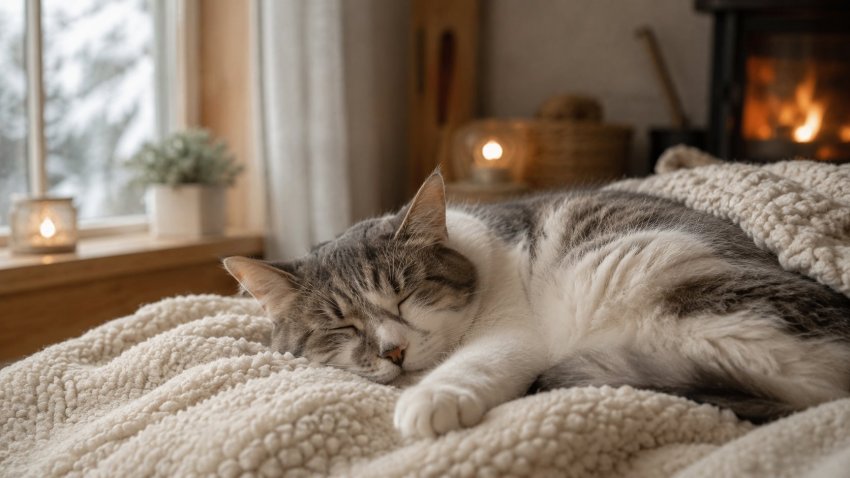
If your cat spends time outdoors, cold weather may be risky. Older cats are safer indoors during freezing weather.
Keep Food and Water Easy to Reach
Senior pets should not have to walk far, climb stairs, or cross slippery floors to reach food and water.
Place bowls in an easy area. Make sure water stays fresh and available. If your pet eats less, drinks more, loses weight, or seems uninterested in food, contact your veterinarian.
Use Gentle Indoor Activity
Movement is still important for many senior pets, but it should be gentle.
For senior dogs, try:
- Slow indoor walking
- Short training cues
- Gentle scent games
- Puzzle toys
- Controlled outdoor bathroom breaks
For senior cats, try:
- Wand toys at a gentle pace
- Treat puzzles
- Low climbing options
- Short play sessions
Avoid rough play, jumping, or fast turns on slippery floors.
For more low-risk ideas, see our guide on indoor exercises for dogs during freezing weather.
Keep Grooming Comfortable
Winter grooming matters for senior pets. Matted fur can trap moisture and feel uncomfortable. Long fur between paw pads may collect snow and ice.
Brush gently and regularly. For dogs, keep paw fur tidy if ice balls are a problem. For cats, watch for mats, especially if they are less flexible than before.
If grooming is painful or stressful, ask a groomer or veterinarian for help.
When to Call the Vet
Contact your veterinarian if your senior pet shows:
- Limping
- Trouble standing
- Sudden weakness
- Loss of appetite
- Heavy panting
- Confusion
- Pain when touched
- Major behavior changes
- Difficulty using stairs or litter box
- Signs of frostbite or hypothermia
Senior pets can hide discomfort, so small changes matter.
Final Thoughts
Cold weather can be challenging for senior dogs and cats, but small changes can make a big difference. Warm bedding, shorter walks, paw protection, non-slip flooring, and easy access to food, water, and litter can help your senior pet stay more comfortable.
Most importantly, pay attention to changes. If your older pet seems stiff, painful, weak, or unusually tired, talk to your veterinarian.