

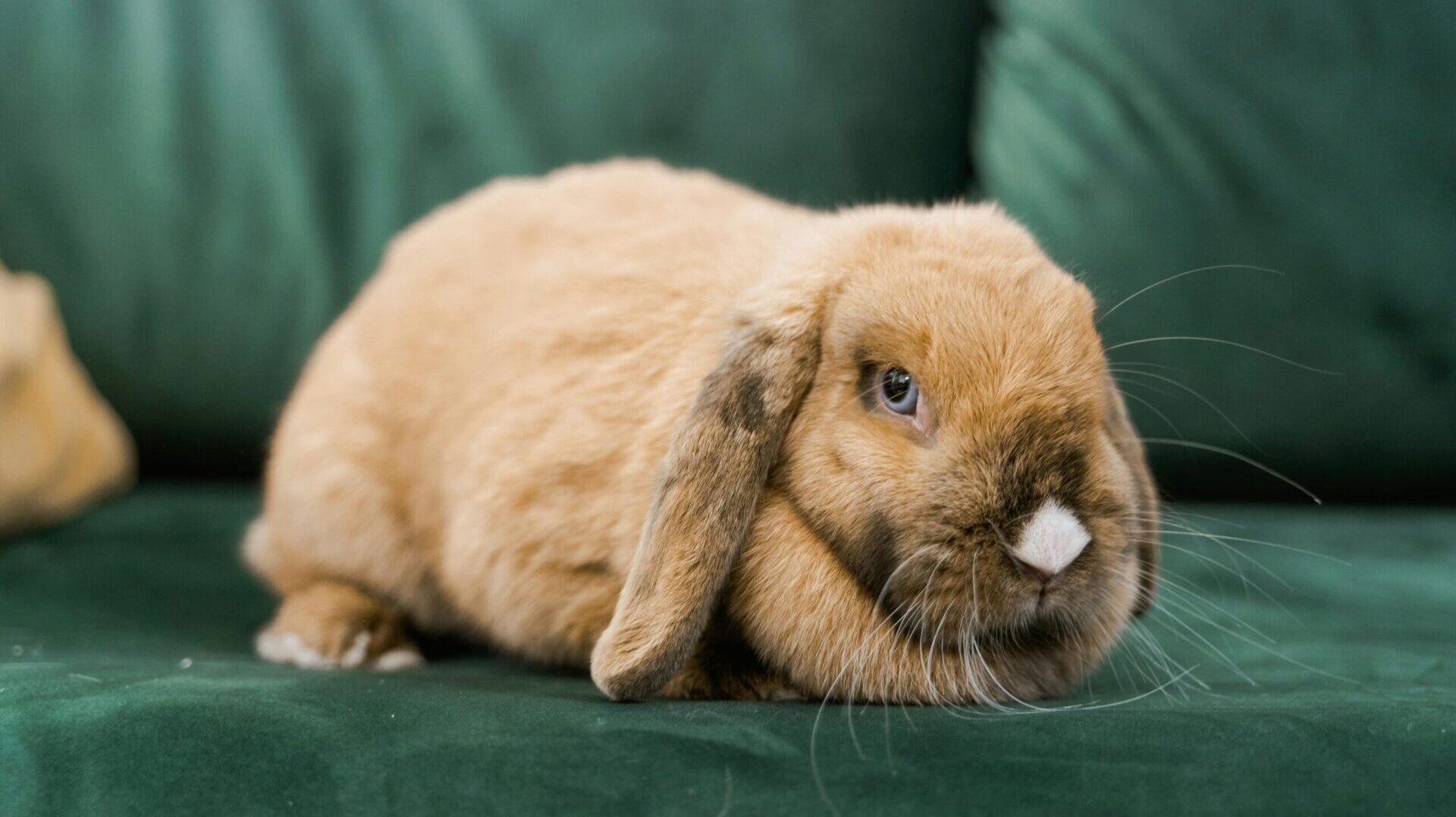
Many bunny lovers welcome rabbits into their lives as more than just pets – they’re cherished members of the family. But have you ever wondered how long your cute friend might be around?
The answer depends on several factors, from size to pet bunny rabbit care and much more in between. For example, studies like the UK VetCompass report a much lower average lifespan of about 4.3 years, mostly due to poor health or outdoor living conditions.
But what if they receive proper care? That’s exactly what this article will explore: the longer average lifespan and the key factors that influence a bunny’s life expectancy.
In the end, we’ll share practical tips to help your rabbit live a longer, healthier life.
How long do bunnies live?
Studies show that rabbits’ lifespan varies, with many reaching 8 years and some even 12 years. However, the following factors greatly affect their age.
1. Size and Breed
The size and breed of a bunny can affect how long it lives. In general, dwarf rabbits tend to live longer than larger ones.
For example, The Netherland Dwarf, one of the tiniest breeds, often lives even longer, about 10 to 12 years. On the other hand, large breeds like the Flemish Giant have shorter lifespans, around 8 to 10 years.
Also, it might blow your mind to know that purebred rabbits are more likely to inherit certain health issues passed down through generations. Because of this, they may have shorter lifespans than mixed-breed rabbits, which often have stronger immune systems and fewer genetic problems.
2. Spaying / Neutering
Another factor that can make your little pet bunny rabbit live longer and healthier is spaying or neutering.
Female rabbits that aren’t spayed have a high risk of getting uterine cancer. This can seriously shorten their lifespan. However, by spaying or neutering your bunny, you lower the chances of health problems and help prevent unwanted behaviors like aggression or spraying.
This simple step ensures the well-being of your rabbit and adds years to their life.
Rabbits are like your kids. Just as you restrict your kids from wandering outside to keep them safe, you should take care of your rabbits in the same way.
3. Indoor vs. Outdoor Living
When a bunny lives indoors, it receives more attention, care, and a stable environment. On the flip side, outdoor rabbits face dangers such as extreme temperatures, wild animals, and insects that can spread disease. These threats are clear warning signs that can shorten their lifespan.
So, if you want your bunny to thrive and live like the playful bunny rabbit in The Secret
Life of Pets, keeping it indoors is the best choice.
Tips To Increase Your Bunny Age Span
Here are some tried-and-true ways to help your rabbits live a longer life with you:
Provide a high-fiber diet
That being said, a healthy diet is key to your overall well-being. The same goes for your pets including rabbits.
Following that, you need to make sure your furry friend eats a
high-fiber diet every day. Always give unlimited grass hay like timothy, orchard grass, or oat hay. This helps keep their teeth healthy and their digestion working well.
Plus, you can feed a small amount of good-quality pellets. Offering fresh vegetables in small amounts is no exception.
Schedule routine vet care
Playing with Snugglebun isn’t enough to be a good pet owner – you also need to ensure proper care for your pet bunny rabbit. To achieve that, take them to a vet at least once a year.
If your rabbit is old or sick, you might need more visits. The vet will check your rabbit’s teeth, weight, and overall health. This helps stop serious health problems like cancer.
But choose a vet who specializes in rabbit care.
Create a safe, spacious home
Don’t just think about keeping your own living space clean – your pets deserve the same care, too. Give them a safe and roomy place to live. A good space should be at least four times the length of your rabbit’s body.
You should keep them in an outdoor hutch that protects them from bad weather and other animals. Try to keep the temperature between 60 and 75 degrees Fahrenheit.
Moreover, use soft, absorbent bedding like paper or fleece to keep their feet clean and healthy.
Encourage daily exercise
Your pets also need good exercise to feel fresh. For that reason, at least four hours each day in a safe space or a big playpen is a Must. This helps them stretch, hop, and move around, which keeps their weight in check and boosts their mood.
When you’re searching for pet bunny rabbits for sale to have them in your home, look for their playing toys, along with that, too. They can be strong plastic items like baby keys or stacking cups. They feel good playing with them.
And when they feel good, they love zoomies and binkies.
So, when you consider all these pet caring tips, your rabbits can even live over 15 years. You’ll be surprised to know that the oldest recorded rabbit lived to be 18.8 years old – all due to proper care.