

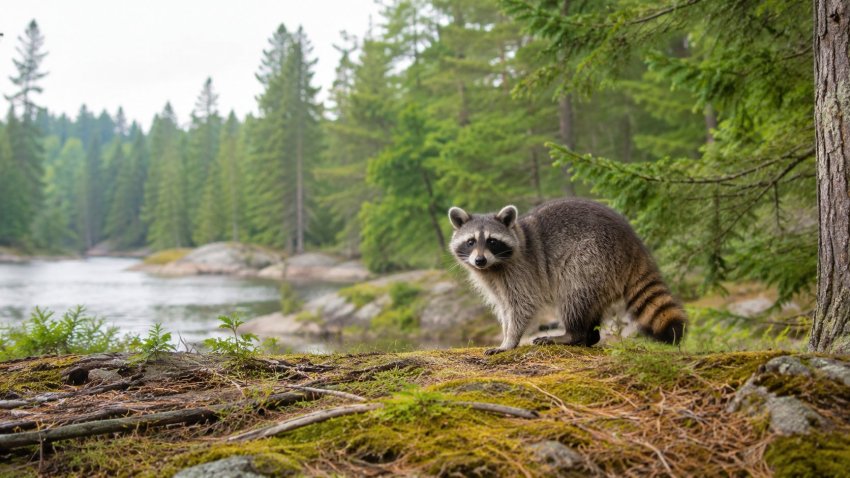
Raccoons are clever, curious, and easy to recognize. Their masked faces and small hand-like paws make them look charming, so it is not surprising that people ask whether they can keep a raccoon as a pet in Canada.
Quick answer: in most situations, you should assume that you cannot keep a raccoon as a private household pet in Canada. Raccoons are wild animals, and wildlife possession is usually restricted by provincial law, municipal bylaws, or both. Some exceptions may exist for licensed wildlife rehabilitation, education, research, or approved facilities, but that is not the same as keeping a raccoon as a normal pet.
This article is for general information only and is not legal advice. Always confirm current rules with your local municipality, animal control office, provincial wildlife authority, or a qualified professional.
Can you own a raccoon in Canada?
In most cases, no. Raccoons are not normal domestic pets like dogs and cats. They are wild animals, and many Canadian provinces and cities restrict keeping native wildlife in captivity.
The exact answer depends on where you live. You may need to check provincial wildlife rules, municipal animal bylaws, and permit requirements. Even if someone online claims they own a raccoon, that does not mean it is legal in your city or province.
Can you own a raccoon in Ontario?
In Ontario, raccoons are native wildlife. Ontario’s rules generally do not allow people to keep wild animals captive unless a legal exception applies. Those exceptions are usually for specific approved purposes, not ordinary pet ownership.
If you find a baby raccoon or an injured raccoon, do not take it home and try to raise it as a pet. Contact a licensed wildlife rehabilitator, local animal control, or your municipality for guidance.
Why raccoons are not good pets
Raccoons may look cute, especially when they are young, but they become strong, active, destructive, and difficult to manage. They climb, chew, scratch, open containers, damage furniture, and may become aggressive when stressed or mature.
They also have complex needs that most homes cannot meet. A raccoon needs proper wildlife care, enrichment, containment, diet, and veterinary support. A normal house, cage, or backyard setup is not suitable.
Health and safety risks
Keeping a raccoon can create serious health and safety concerns. Raccoons may bite or scratch, and they can carry diseases or parasites. They can also expose other pets to risk.
If a raccoon bites or scratches someone, local public health or animal control may need to be involved. This is one reason trying to keep wildlife as a pet can create legal and practical problems very quickly.
What if you find a baby raccoon?
If you find a baby raccoon, do not assume it is abandoned. The mother may be nearby or may return later. Keep people and pets away, do not feed the raccoon, and contact a licensed wildlife rehabilitator or local animal control for instructions.
Only trained and licensed wildlife professionals should handle orphaned or injured raccoons. Feeding the wrong food or keeping the animal in the wrong environment can harm it.
What to do if a raccoon is in your yard
- Keep your distance and do not try to touch it.
- Bring dogs and cats indoors.
- Secure garbage, compost, and pet food.
- Do not feed raccoons.
- Close access to sheds, attics, decks, and crawlspaces after confirming no animals are trapped inside.
- Call a wildlife professional if the raccoon appears sick, injured, trapped, or aggressive.
Pet raccoon vs domestic pet
| Question | Raccoon | Domestic pet |
|---|---|---|
| Legal in most homes? | Usually restricted or not allowed | Usually allowed with normal pet rules |
| Easy to train? | No, wild instincts remain | Dogs and cats are domesticated companions |
| Vet care easy to find? | Often difficult | Usually easier |
| Safe around children? | Not recommended | Depends on pet, training, and supervision |
Better alternatives to owning a raccoon
If you love raccoons, the best thing you can do is keep them wild. Support wildlife rehabilitation centres, learn about safe coexistence, secure your garbage, and help prevent human-wildlife conflict.
If you want a unique companion animal, choose a legal domestic pet that fits your home, budget, and experience level. Small pets, rabbits, cats, and certain dog breeds may be better options depending on your lifestyle.
Final answer: can you own a raccoon in Canada?
For most Canadian pet owners, the answer is no. Raccoons are wild animals, not household pets. Laws vary by province and municipality, but keeping a raccoon privately is usually illegal, restricted, or only allowed under special approved permits.
If you find a raccoon, do not keep it. Contact local animal control or a licensed wildlife rehabilitator.
FAQs About Pet Raccoons in Canada
Can you have a pet raccoon in Canada?
In most situations, no. Raccoons are wild animals and are usually restricted by provincial laws, municipal bylaws, or permit rules.
Can you own a raccoon in Ontario?
Ontario generally does not allow people to keep wild animals captive unless a specific legal exception applies. A normal pet raccoon is not a safe assumption.
Can you raise a baby raccoon if you find one?
No. Contact a licensed wildlife rehabilitator or animal control. Baby raccoons need specialized care and may not be abandoned.
Are raccoons dangerous pets?
Raccoons can bite, scratch, destroy property, and carry diseases or parasites. They are not suitable household pets.
What should I do if a raccoon is in my attic?
Contact a humane wildlife removal professional. Do not seal entry points until you are sure no animals are trapped inside.
What is the safest way to help raccoons?
Do not feed them, secure garbage, keep pets away, and support licensed wildlife rehabilitation when animals are injured or orphaned.