

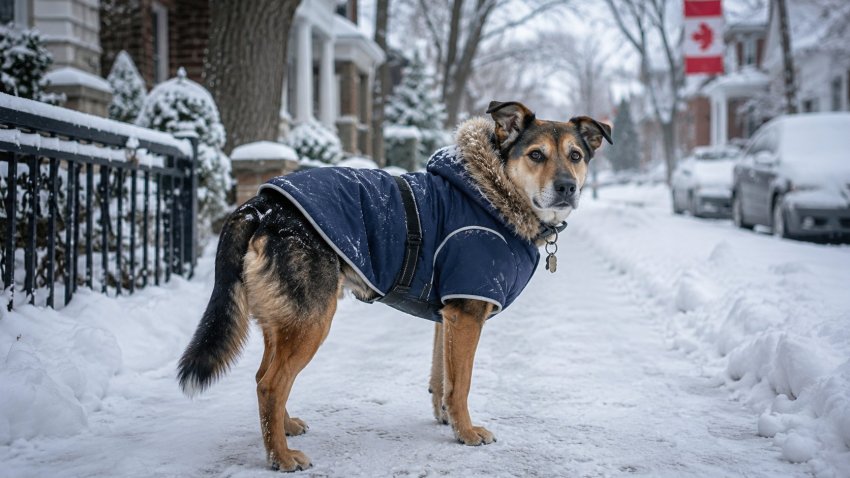
Canadian winters can be beautiful, but they can also be harsh for dogs. Snow, wind, freezing rain, ice, road salt, and sudden temperature drops can make outdoor time risky, especially for small dogs, puppies, senior dogs, short-haired breeds, and dogs with health issues.
So how cold is too cold for dogs in Canada?
There is no single number that works for every dog. A husky and a small short-haired dog will not handle the same winter walk the same way. The safer answer is to look at the temperature, wind chill, your dog’s body type, and how your dog behaves outside.
If you are preparing your dog for colder weather, our dog care checklist can help you organize winter supplies, paw care, grooming, and safety basics.

This article is for general information only. If your dog has a health condition, is very young, senior, or shows signs of distress in cold weather, speak with your veterinarian.
Quick Answer
For many dogs, outdoor time should become shorter and more cautious around freezing temperatures, especially if it is windy or wet.
As the temperature drops below freezing, small dogs, thin-coated dogs, puppies, senior dogs, and dogs with medical conditions may need very short walks or quick bathroom breaks only.
If the weather feels too cold, windy, or uncomfortable for you to stay outside for long, it may also be too cold for your dog to stay outside for long.
Cold Tolerance Depends on the Dog
Not all dogs handle winter the same way.
Dogs that may struggle sooner include:
- Small breeds
- Toy breeds
- Short-haired dogs
- Puppies
- Senior dogs
- Thin or underweight dogs
- Dogs with arthritis
- Dogs with heart or breathing issues
- Dogs not used to Canadian winter weather
Dogs with thick double coats may tolerate cold better, but that does not mean they are protected from all winter risks. Paws, ears, tails, and noses can still be vulnerable.
Older pets may need extra support, so you may also want to read our guide on senior pets comfortable in cold weather.
Wind Chill Matters
The number on the weather app is not the full story. Wind chill can make the air feel much colder and can cool your dog’s body faster.
Cold weather becomes more risky when combined with:
- Strong wind
- Wet snow
- Freezing rain
- Damp fur
- Ice
- Deep snow
- Long exposure
A dry, calm winter day may feel very different from a windy day at the same temperature.
Signs Your Dog Is Too Cold
Watch your dog closely during winter walks. Your dog may be too cold if they:
- Shiver
- Lift their paws
- Whine
- Stop walking
- Try to turn home
- Tuck their tail
- Move slowly
- Seem anxious
- Hold one paw off the ground
- Look weak or confused
If your dog shows these signs, go inside and warm them gradually. If symptoms seem serious or do not improve, contact your veterinarian.
Frostbite and Hypothermia Risks
Dogs can be at risk of frostbite and hypothermia in very cold conditions.
Frostbite is more likely on areas with less insulation, such as paws, ears, tail tips, and the nose. Hypothermia can happen when body temperature drops too low after cold exposure.
Possible warning signs include extreme shivering, weakness, pale or cold skin, slow movement, confusion, or collapse. These signs need urgent veterinary attention.
How Long Should Winter Walks Be?
There is no perfect walking time for every dog. Instead of using one strict rule, adjust based on your dog and the weather.
For cold winter days:
- Take shorter walks.
- Choose several quick outings instead of one long walk.
- Avoid standing around outside.
- Walk during the warmest part of the day if possible.
- Skip long walks during extreme cold warnings.
- Watch your dog’s paws and body language.
For some dogs, a 5 to 10 minute bathroom break may be enough during very cold weather.
Should Dogs Wear Coats or Sweaters?
Some dogs benefit from a coat or sweater in winter, especially small, short-haired, senior, or thin dogs.
A winter coat should:
- Fit comfortably
- Cover the body without blocking movement
- Stay dry
- Not rub under the legs
- Allow normal walking and bathroom breaks
Do not assume a coat makes long outdoor time safe. It helps, but it does not remove all cold-weather risk.
For more help choosing winter clothing, read our guide on Canadian winter fashion for pets.
Protect Your Dog’s Paws
Winter sidewalks can be hard on paws. Ice, snow, salt, and de-icing chemicals may irritate paw pads.
To protect paws:
- Use dog booties if your dog tolerates them.
- Try paw balm before walks.
- Wipe paws after every walk.
- Check between toes for ice balls.
- Trim long fur around the paws if needed.
- Avoid heavily salted sidewalks when possible.
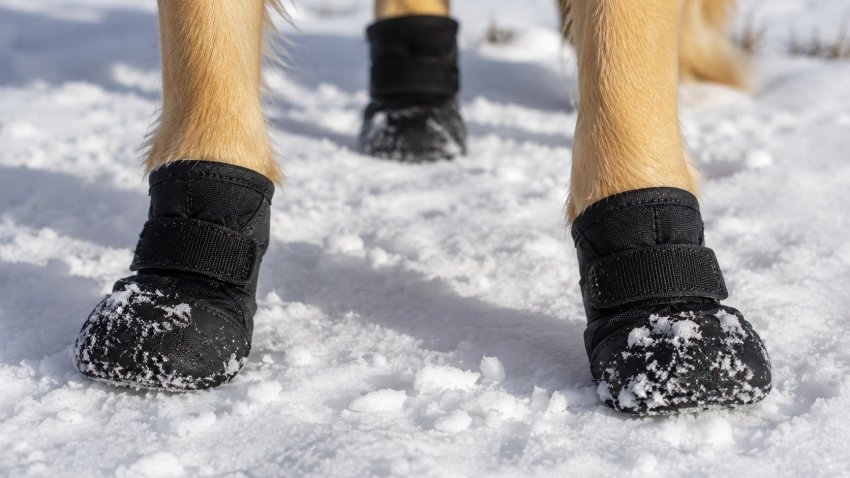
If paws look cracked, bleeding, swollen, or painful, call your veterinarian.
For a deeper guide, see our full post on winter paw care tips for dogs.
Indoor Alternatives on Very Cold Days
When it is too cold for long walks, give your dog mental and light physical activity indoors.
Try:
- Hide-and-seek with treats
- Short training sessions
- Puzzle toys
- Gentle tug
- Indoor fetch in a safe hallway
- Scent games
- Food-dispensing toys
Mental exercise can help reduce boredom when outdoor time is limited.
You can also use our list of indoor exercises for dogs during freezing weather for more safe activity ideas.
Final Thoughts
Canadian winter weather can change quickly. The safest approach is to watch both the forecast and your dog.
There is no single temperature that fits every dog. Pay attention to wind chill, wet conditions, your dog’s size, coat, age, health, and comfort. When in doubt, keep walks short and bring your dog indoors.