

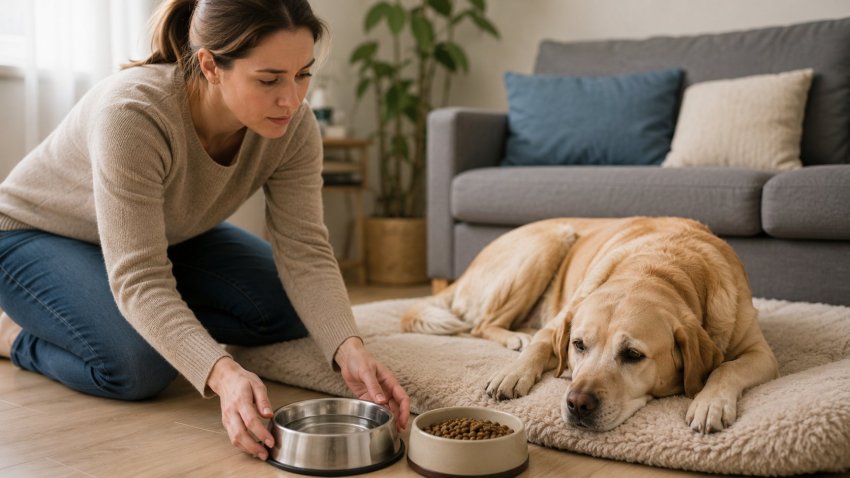
If your dog is not eating or drinking, it can become serious quickly. Dogs may skip a meal because of stress, stomach upset, heat, dental pain, medication, or a change in routine. But going without water is much more urgent than going without food.
A healthy adult dog may survive longer without food than without water, but “survive” does not mean “safe.” Dehydration can start causing problems within a short time, especially for puppies, senior dogs, small dogs, sick dogs, nursing dogs, and dogs in hot weather.
This article is for general information only. If your dog is weak, vomiting repeatedly, has diarrhea, will not drink, seems painful, or is acting unusual, contact a veterinarian or emergency animal clinic.
How long can a dog go without water?
Dogs should always have access to clean drinking water. Some sources mention that dogs may survive around two to three days without water, but that is an emergency survival range, not a safe care plan. A dog can show signs of dehydration much earlier.
If your dog has not had water for 12 to 24 hours, or refuses water while also acting sick, call your vet. Do not wait for the situation to become severe.
How long can dogs go without food?
A healthy adult dog may be able to go longer without food than water, but not eating is still a sign to monitor. Some dogs skip one meal and return to normal. However, if your dog refuses food for more than 24 hours, or sooner if they are a puppy, senior, diabetic, pregnant, very small, or sick, contact your vet.
Not eating can be caused by dental pain, stomach problems, infection, parasites, stress, kidney disease, pancreatitis, poisoning, medication side effects, or many other issues.
When is it an emergency?
Contact an emergency vet immediately if your dog is not eating or drinking and also has repeated vomiting, diarrhea, bloating, collapse, trouble breathing, pale gums, seizures, extreme weakness, signs of pain, possible poisoning, blood in stool or vomit, or confusion.
A dog that cannot keep water down is also urgent because vomiting can make dehydration worse.
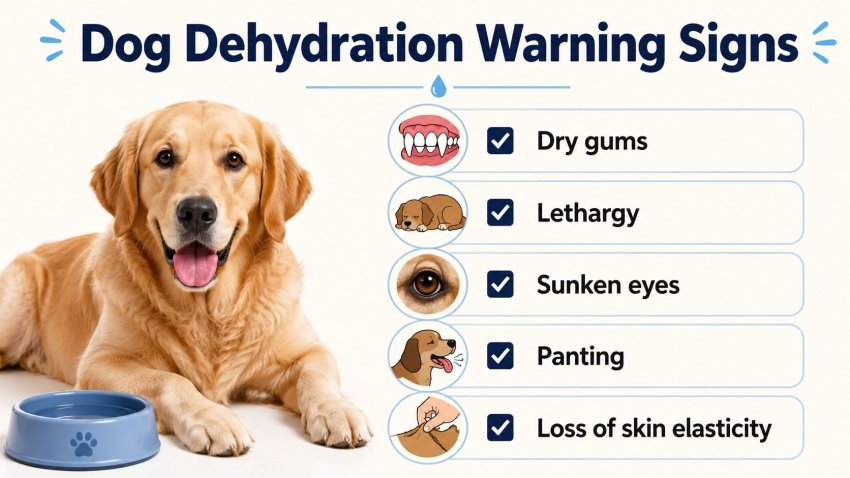
Signs of dehydration in dogs
Possible dehydration signs include dry or sticky gums, sunken-looking eyes, thick saliva, weakness, panting, loss of skin elasticity, low energy, fast heartbeat, and reduced urination.
The skin tent test can sometimes help, but it is not perfect. Gently lift skin over the shoulders and release. If it stays tented or returns slowly, dehydration may be present. Still, a dog can be dehydrated even if this test is unclear.
Why a dog may stop eating or drinking
Common reasons include stress, travel, new food, heat, dental pain, nausea, stomach upset, infection, injury, medication, anxiety, spoiled food, bowl changes, or water that smells different. More serious causes include organ disease, obstruction, poisoning, pancreatitis, or severe infection.
Because there are many possible causes, the safest approach is to monitor closely and call a vet when symptoms persist or appear serious.
What you can do at home
Make sure fresh water is available. Clean the bowl and try a different bowl location. Offer small amounts of water frequently. You can also ask your vet if an electrolyte solution is appropriate. Do not force water into your dog’s mouth, because this can lead to choking or aspiration.
For food, you can try a small amount of your dog’s regular food, warmed slightly if appropriate, or a bland diet only if your vet recommends it. Avoid giving human medication or random home remedies.
Puppies, seniors, and sick dogs need faster care
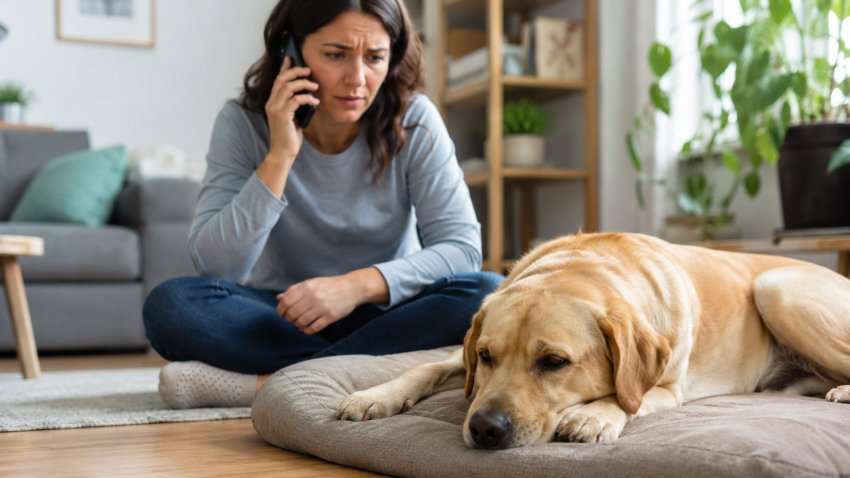
Puppies, toy breeds, senior dogs, diabetic dogs, dogs with kidney disease, and dogs with ongoing medical conditions should not be watched for too long at home. They can decline faster than healthy adult dogs.
If your dog is in one of these groups and refuses food or water, call your vet early.
How to prevent problems
Keep clean water available at all times, wash food and water bowls daily, feed a consistent diet, store food properly, avoid unsafe human foods, schedule dental checks, and watch for changes in appetite or thirst. If your dog suddenly drinks much more or much less than usual, mention it to your vet.
Final thoughts
Dogs should not go long without food or water. Missing one meal may not be an emergency if your dog is otherwise normal, but refusing water, acting sick, vomiting, or showing dehydration signs needs faster attention. When in doubt, call your veterinarian. It is always safer to ask early than to wait too long.




This post is a great reminder of how crucial hydration and nutrition are for our dogs! It’s easy to forget how quickly dehydration can set in, especially in hot weather or for puppies.
Dog owners, have you ever wondered if your pet could survive a week in the scorching heat of the Sahara Desert without any access to water? This extreme scenario might seem unlikely, but it raises an important question: how much can a dog’s survival instincts kick in when faced with dehydration, and when would it be too dangerous to leave them unattended in such conditions?
That’s a great point and an extreme but eye-opening scenario! While it’s highly unlikely a dog would ever be in such a situation, it does highlight just how crucial access to water is for their survival. Dogs can only go a few days without water, especially in hot conditions, before dehydration becomes life-threatening. Their survival instincts can only take them so far, and it’s our responsibility to make sure they’re never put in that kind of danger. Thanks for sharing your thoughts!